The warehouse is at the heart of a company’s supply chain. It is where goods are stored and recorded before being delivered. Optimising warehouse logistics is a major issue for a company, as good logistics management is a clear competitive advantage, particularly in terms of productivity and performance.
Optimising the logistics of your warehouse will make preparing and shipping your orders more efficient, which helps keep your customers satisfied. In this article, you will find some key tips to help you improve logistics management in your warehouse.
What is warehouse management?
Warehouse management covers every aspect of the warehouse, from storing goods to optimising the storage space. It is important to take every aspect of the warehouse into account to improve its logistics management.
Managing the storage of goods
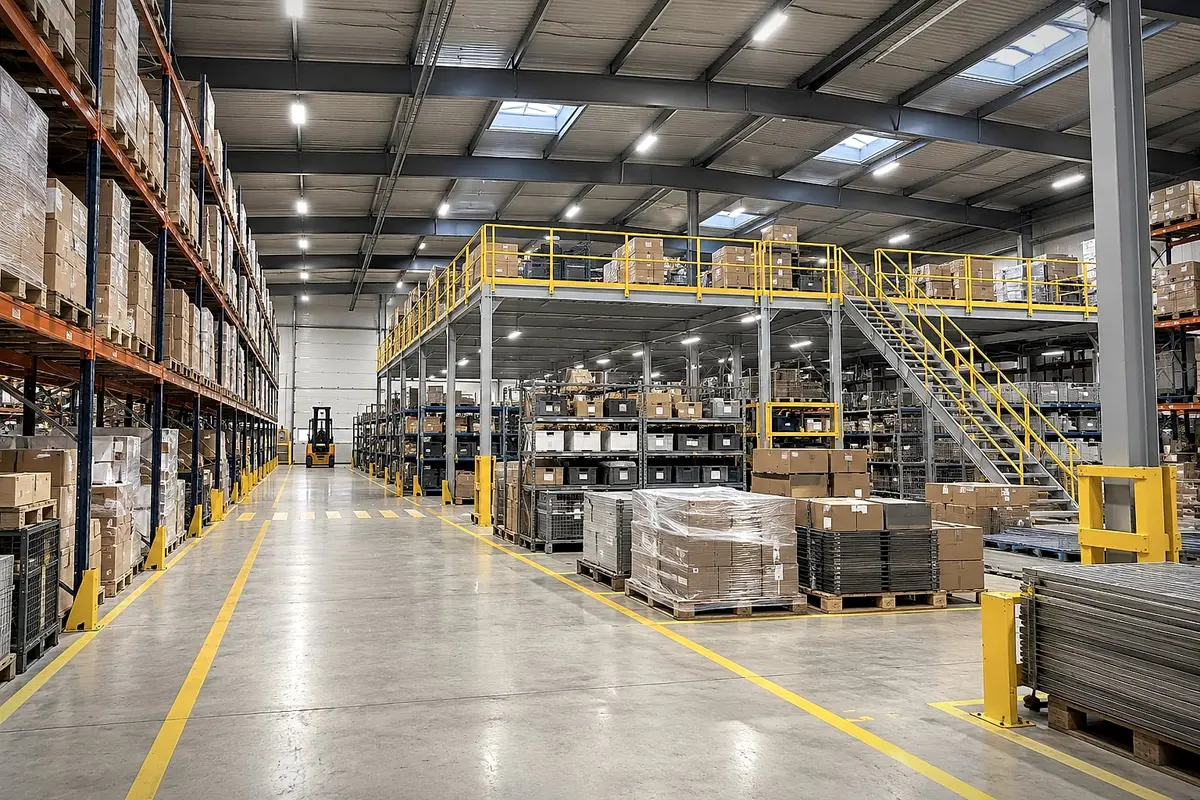
A warehouse is first and foremost a logistics platform for storing goods. It is organised to ensure that incoming and outgoing flows are managed as well as possible. Warehouses therefore have loading docks that allow vehicles to load and unload goods efficiently.
A warehouse must also allow goods to be stored in the best conditions. Pallet racking provides secure storage that fully meets industrial standards.
However, each warehouse must organise its storage space according to the specific features of the products stored. Some goods, such as fresh produce, frozen products or chemicals, require specific storage conditions.
Managing staff movements in the warehouse
A warehouse is not only a place for storage. It is also a place where people and equipment move around. Warehouse management must therefore take into account the movements of staff, but also those of the handling equipment used to store goods. A warehouse must be organised so that forklifts can move freely while keeping staff safe. This dual requirement means setting up specific traffic rules in the warehouse.
Other aspects of warehouse management
Warehouse management also covers other essential aspects such as order management, packaging management and management of the equipment needed for good logistics. Each of these areas needs a dedicated manager for optimal overall logistics.
Order management ensures that orders are stored and shipped in the best conditions, in order to meet delivery times.
Packaging management is essential to make it easier for staff to move around the warehouse. The packaging of goods must be stored in a dedicated area, to be collected and possibly recycled.
Equipment management covers both the purchase of equipment and its maintenance. The person in charge must make sure that the warehouse has enough equipment and that it is properly maintained.
Warehouse management also means transport management. Time slots must be planned for the arrival and departure of lorries, to improve the management of delivery rounds.
Finally, warehouse management covers safety and security. Installing surveillance systems helps prevent intrusions and suspicious behaviour in the warehouse, keeping staff and stored goods safe.
Quick tips to optimise your logistics
Warehouse management covers many aspects. Each of them can be improved, for better overall logistics. Here are the main tips you can follow to improve logistics management in your warehouse.
Define a consistent logistics strategy
You need to define a logistics strategy suited to your needs. To do this, you must take several factors into account:
- The quantity of products to be stored
- The nature of the goods
- The planned storage methods
- The storage space available
- The staff needed to run the warehouse logistics
Organise your warehouse according to the types of product you plan to store
To optimise the layout of your warehouse, you must take into account the specific features of the products that will be stored there. Depending on how the goods are stored (individually, in bins, in cartons or on pallets), and on their shape and weight, you can organise your warehouse accordingly.
Optimise staff movements in the warehouse
To make your logistics more efficient, your staff must be able to move quickly around your warehouse, in optimal safety conditions. Your warehouse must therefore be well organised, with clearly defined areas that are easy to identify. By optimising your racking, you will make the work of your order pickers easier, and so increase their productivity.
Your warehouse must also be organised to make it easier for handling equipment to move around, such as stackers, conveyors, pallet trucks and forklifts.
The benefits for your logistics management
All the tips above will help you improve logistics management in your warehouse. You will then benefit from everything these logistics optimisations bring:
- Higher productivity
- Better management of incoming and outgoing flows of goods
- Faster order processing
- Lower logistics costs (in particular supply and transport costs)
- Optimised storage space
- Higher customer satisfaction
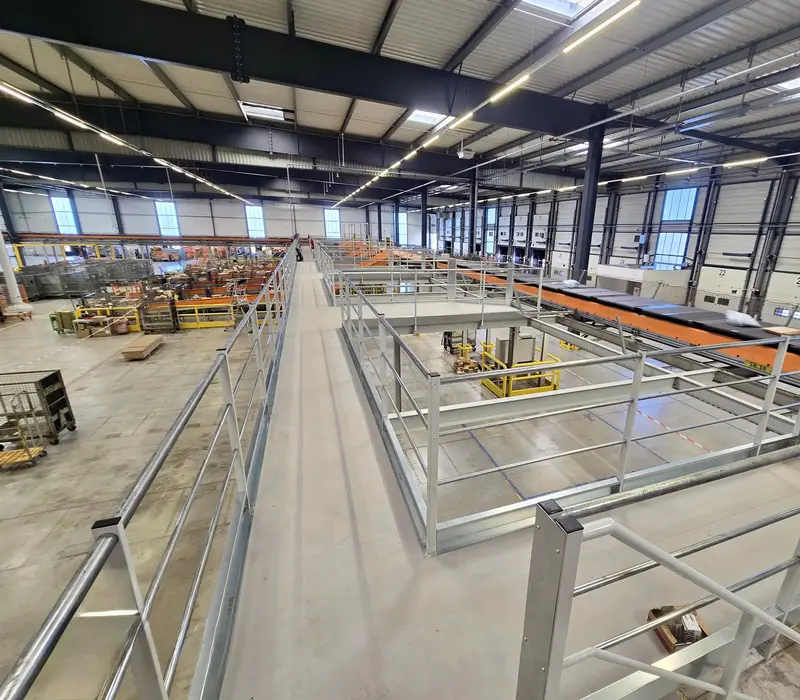
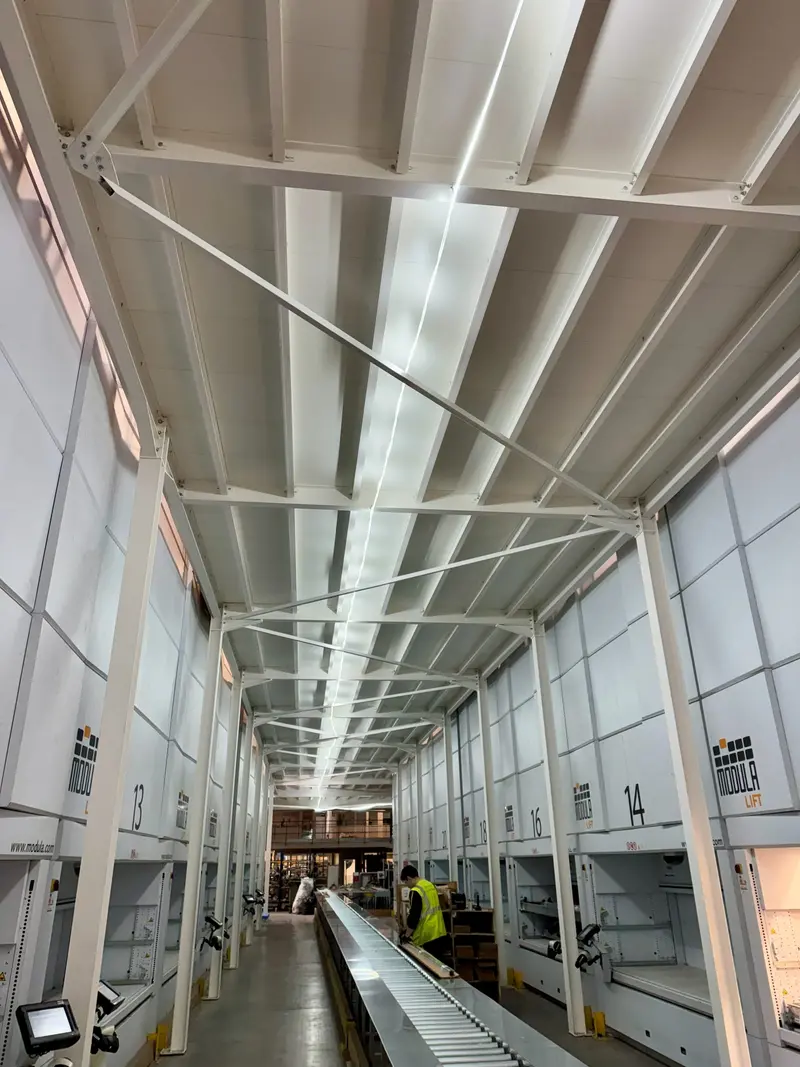
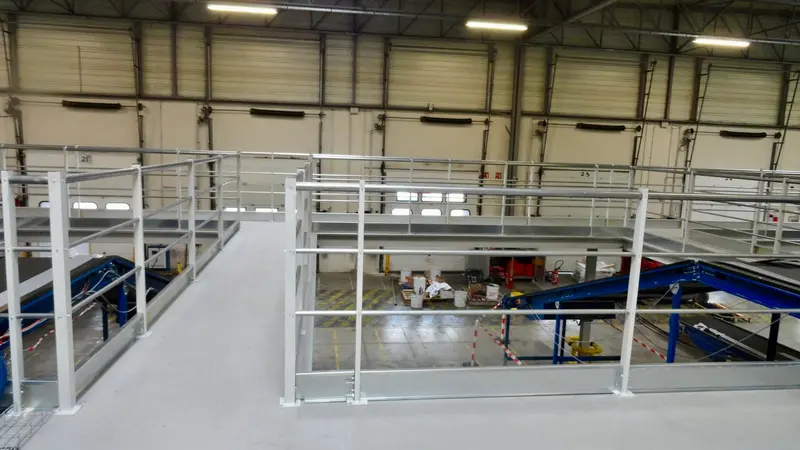
Increase your space without major building work
The warehouse is at the heart of a company’s supply chain. It is where goods are stored and recorded before being delivered. Optimising warehouse logistics is a major issue for a company, as good logistics management is a clear competitive advantage, particularly in terms of productivity and performance.
Optimising the logistics of your warehouse will make preparing and shipping your orders more efficient, which helps keep your customers satisfied. In this article, you have found some key tips to help you improve logistics management in your warehouse.
Do you have a project? Request a free quote: our engineering office studies your building and proposes the right solution.